

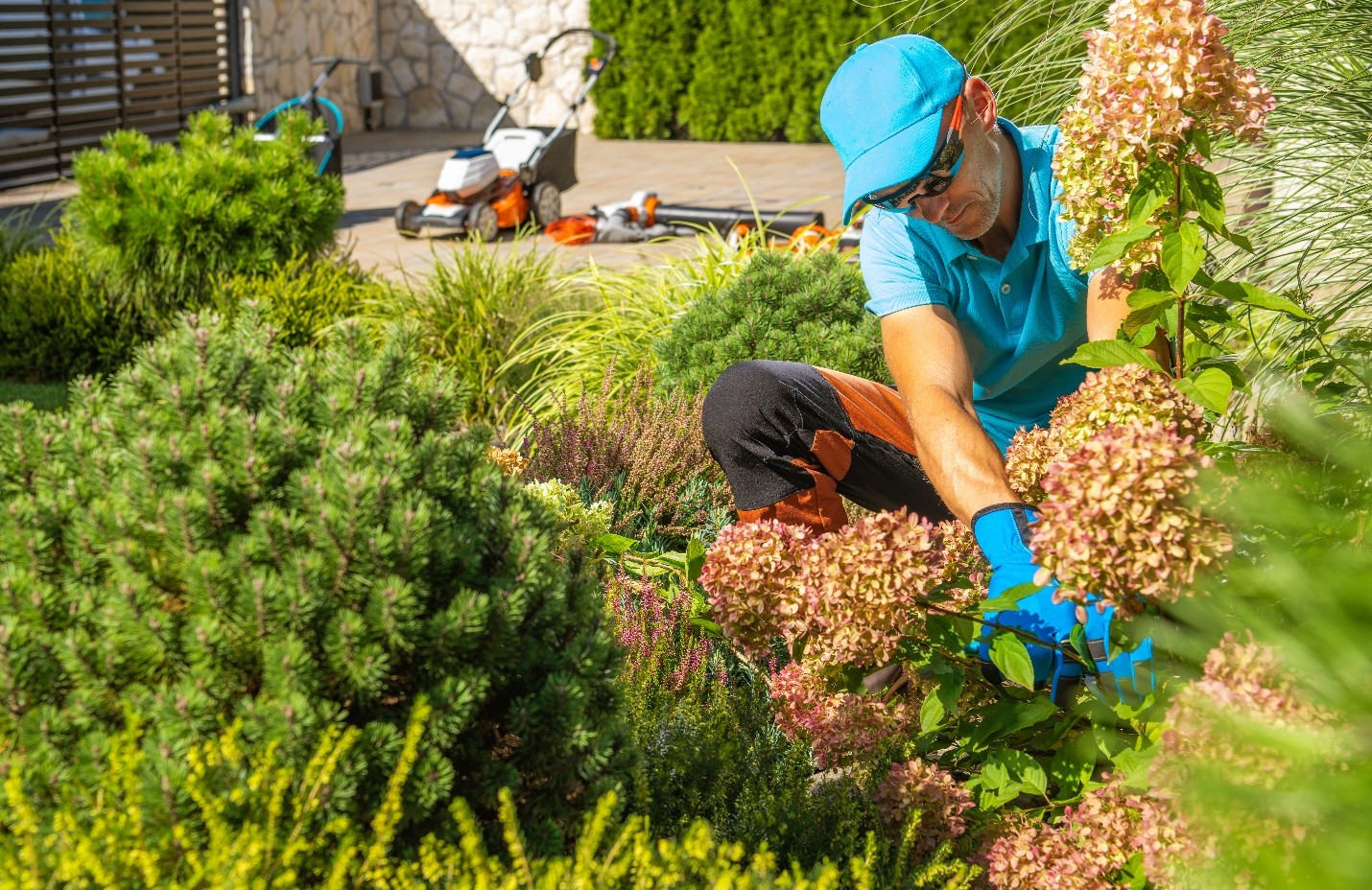
Spring has arrived, and for homeowner’s association (HOA) board members, that means it’s time to shift focus back to the health, safety, and appearance of your community’s outdoor spaces. After a colder-than-usual winter in the Carolinas, common areas may need extra attention, and thoughtful planning now can prevent bigger issues later.
Spring landscaping isn’t just about curb appeal. It’s about protecting assets, managing risk, and setting your community up for success throughout the year.
Before we jump in, keep in mind that many of these projects require licensed contractors, qualified service providers, or the guidance of your community manager.
Why Spring Landscaping Matters
Seasonal transitions are one of the most important times for landscaping. Winter conditions can leave behind damage that isn’t always visible at first glance, such as compacted soil, stressed turf, drainage issues, or weakened tree limbs.
Addressing these early helps:
• Prevent more costly repairs later
• Support healthy plant growth
• Maintain property values
• Create a positive experience for residents
Well-maintained landscaping signals that a community is cared for, and residents notice.
What’s Involved in Spring Landscaping
Spring landscaping often requires more than routine maintenance. Boards should understand the range of tasks involved so they can plan effectively and prioritize appropriately.
Clean-Up & Debris Removal
Winter debris, like fallen branches, leaves, and pine straw, can smother turf and planting beds. Clearing these areas early allows new growth to thrive and improves overall appearance.
Lawn Assessment & Turf Care
Lawns may show signs of stress after winter, including thinning, bare spots, or compaction (when soil particles are pressed tightly together, reducing the tiny gaps of water and air between them).
Early-season attention typically includes: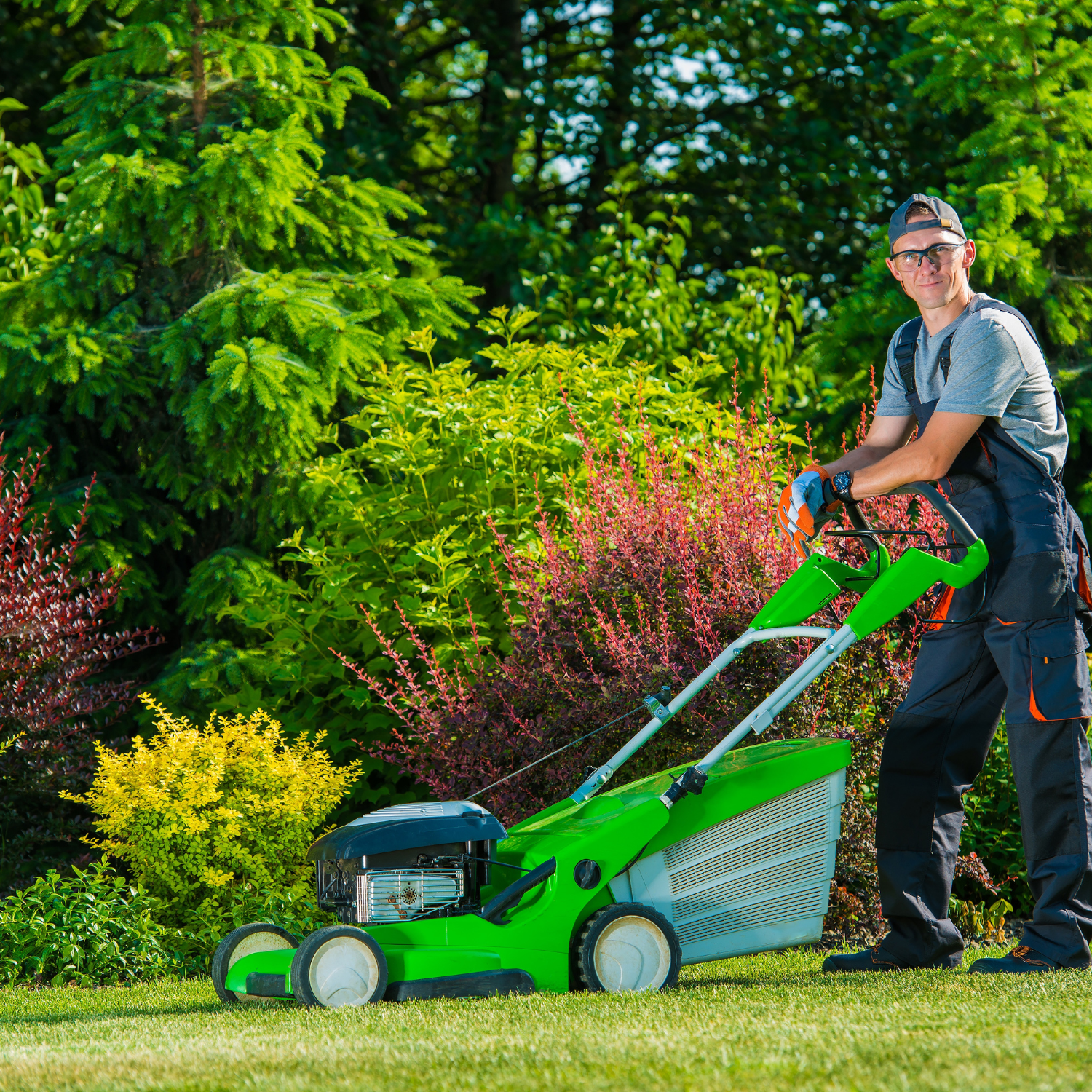
• Inspecting turf conditions
• Addressing damaged areas
• Beginning weed prevention at the right time
Grass Type Matters
It’s important to understand what type of grass your community has, as maintenance strategies vary significantly. In the Carolinas, the two most common turf types are cool-season fescue and warm-season Bermuda.
Cool-Season Fescue
• Pros: Stays green year-round and performs well in cooler temperatures
• Cons: Struggles in extreme summer heat and often requires additional watering
• Maintenance Approach: Focus on fall aeration and seeding, with careful summer management
Warm-Season Bermuda
• Pros: Durable, heat-tolerant, and recovers quickly from wear
• Cons: Goes dormant and turns brown in winter
• Maintenance Approach: Focus on late spring and summer growth cycles, with minimal winter intervention
Understanding your turf type allows for better planning and prevents misapplied treatments that can lead to unnecessary expense or poor results. Timing is especially critical, as many treatments are only effective within a narrow window.
Weed Control: Pre-Emergent vs. Post-Emergent Treatments
Weed control is a key component of maintaining a healthy lawn, but different treatments serve different purposes. A strong program uses both pre-emergent and post-emergent applications strategically.
Pre-Emergent Weed Treatment
Pre-emergent herbicides prevent weeds before they appear by creating a barrier in the soil.
• Best used: Early spring (and sometimes fall), before weeds germinate
• Benefit: Stops weeds like crabgrass before they become visible
• Key point: Timing is critical—once weeds sprout, this treatment is no longer effective
Post-Emergent Weed Treatment
Post-emergent herbicides treat weeds that are already growing.
• Best used: Throughout the growing season as needed
• Benefit: Eliminates visible weeds
• Key point: Requires proper identification to ensure effective treatment
How They Work Together
Pre-emergent treatments reduce the number of weeds that develop, while post-emergent treatments address any that break through. Combined with proper mowing, watering, and fertilization, this approach promotes a thicker, healthier lawn that naturally resists weeds.
Relying on only one method often leads to reactive maintenance, higher costs, and inconsistent results.
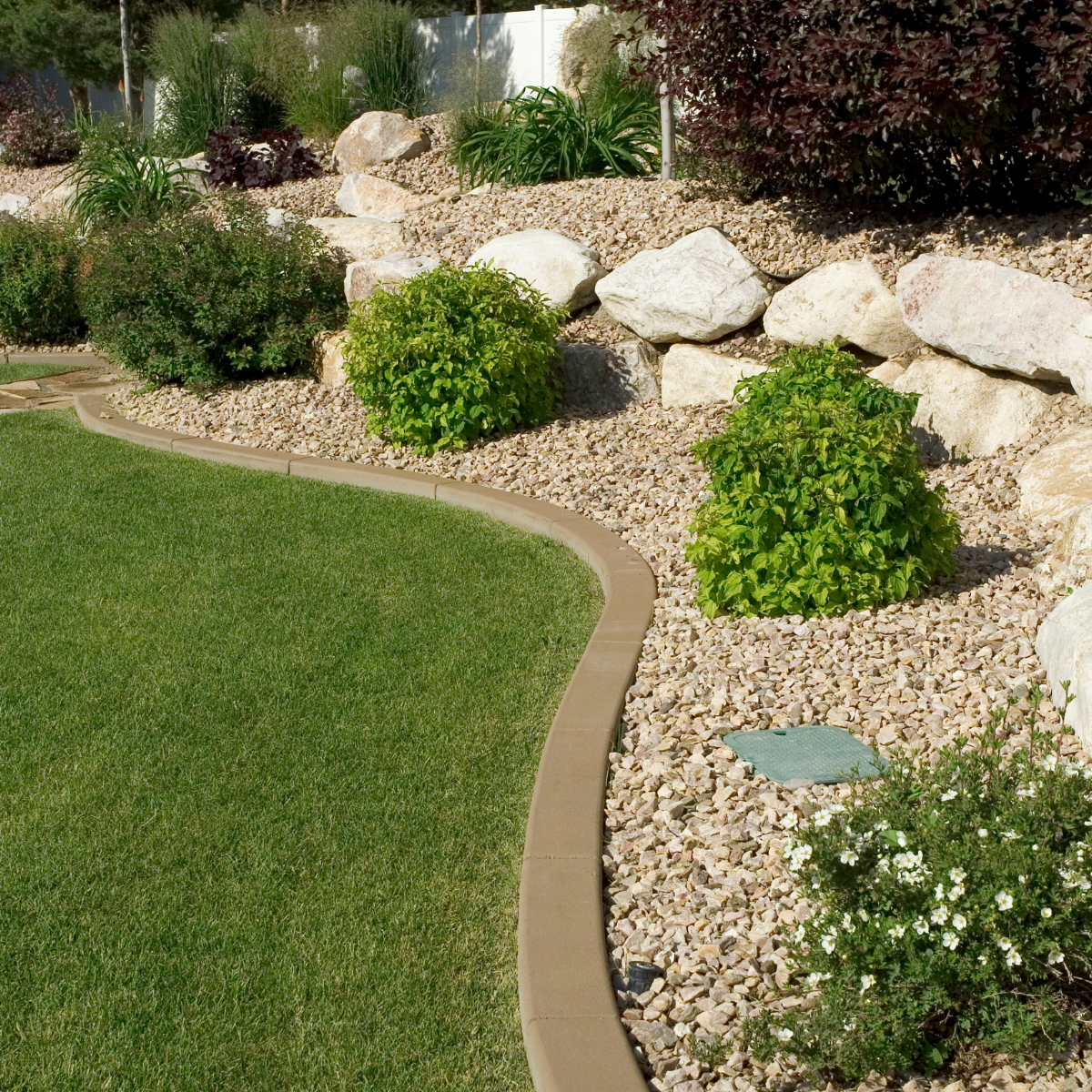 Mulching & Bed Definition
Mulch helps retain moisture, regulate soil temperature, and reduce weed growth while improving the visual definition of common areas.
However, improper application, such as excessive mulching around trees, can lead to long-term damage.
Tree & Shrub Pruning
Removing dead or damaged limbs supports plant health and reduces safety risks near walkways, buildings, and parking areas.
Not all plants should be pruned in early spring, and improper timing can impact growth or flowering.
Irrigation System Check
Before temperatures rise, irrigation systems should be evaluated for:
• Leaks or broken components
• Coverage gaps
• Controller or timing issues
Undetected problems can lead to higher utility costs and uneven landscape health during the peak growing season.
Please ensure all mandatory backflow tests are completed, and confirm that a licensed professional conducts inspections and handles the necessary regulatory reporting.
Common Risks to Watch For
Even well-intentioned landscaping efforts can create challenges if key details are overlooked.
Boards should be mindful of:
• Incorrect treatment timing
• Over- or under-watering
• Improper pruning
Small oversights in spring can turn into larger, more expensive issues by summer.
What Boards Can Handle vs. What Requires a Professional
Understanding where to focus board efforts and where specialized expertise is needed can improve outcomes and efficiency.
Boards Can Typically Oversee:
• Setting priorities and goals
• Reviewing proposals and budgets
• Communicating with residents
• Monitoring overall appearance
Often Best Left to Professionals:
• Turf treatment timing and applications
• Tree evaluation and major pruning
• Irrigation diagnostics and repairs
• Plant selection and long-term planning
• Identifying underlying landscape issues
Working with experienced vendors helps ensure decisions are both timely and appropriate for local conditions.
Building an Effective Spring Landscaping Plan
A strong plan starts with evaluating past performance and identifying current priorities, not just reacting to what’s visible today.
Review Last Season
Consider what worked well and what didn’t.
Prioritize Strategically
Focus on:
• High-visibility areas
• Safety concerns
• Recurring problem areas
Think Beyond Spring
Short-term fixes can lead to higher long-term costs. Aim for decisions that support year-round health and sustainability.
The Value of Professional Partnership
Landscaping in the Carolinas comes with regional considerations, from soil conditions to seasonal timing, that can significantly impact results.
Experienced professionals can help boards:
• Navigate seasonal timing
• Identify issues early
• Recommend sustainable solutions
Partnering with qualified vendors allows boards to stay focused on governance while ensuring the community’s assets are properly maintained.
Coordination Matters
Your community manager plays a key role in executing the landscaping plan. From gathering proposals to aligning vendor recommendations with budget goals, coordination keeps projects efficient and on track.
Clear communication with residents is also important, especially when work may temporarily impact access to buildings or common areas.
A Strong Start to the Season
Spring sets the tone for the rest of the year. With thoughtful planning, clear priorities, and the right support, HOA boards can create outdoor spaces that are both attractive and sustainable.
Approaching landscaping as part of a broader strategy, not just a seasonal task, helps protect the community’s investment and enhances the resident experience.
About Community Association Management Services
Founded in 1991, CAMS has grown to become North and South Carolina’s premier community management company. With experienced local managers in each of its regions, CAMS provides innovative solutions to the community associations it serves. To learn more, visit www.camsmgt.com/choose-cams.
.png)