
Key Takeaways
- Have a clear, simple emergency plan before a crisis happens
- Focus on likely risks (storms, flooding, outages, fire)
- Assign roles so everyone knows who does what
- Set up fast, reliable communication with residents
- Keep an updated list of service providers ready to respond
- Understand your insurance coverage and requirements
- Practice or review the plan regularly
- During an emergency: prioritize safety, communication, and coordination
- Afterward: document damage, file insurance, manage repairs, and review what worked (and what didn’t)
- Preparation, not perfection, is what builds trust and keeps your community running smoothly
Introduction
Picture it. It’s a quiet afternoon. Then the storm rolls in faster than expected. Power flickers. Every store is out of milk and bread. A tree comes down across the community entrance. Phones start dinging and ringing non-stop.
In those moments, your residents aren’t looking for a perfect plan. They’re looking for direction. That’s where preparation makes all the difference.
Emergency preparedness isn’t just a “nice to have.” It’s part of your role as a board member. It protects people, property, and your association’s operations. And when it’s done well, it brings a sense of calm when things feel anything but.
Whether you call it a homeowner’s association (HOA), property owners’ association (POA), or a community association, your board should have a clear emergency preparedness plan in place before a crisis occurs.
What is emergency preparedness for HOAs?
Emergency preparedness for HOAs means having a clear plan to respond quickly, communicate effectively, and help protect residents and property during a crisis.
At its core, it’s about being ready to act and keeping people informed.
It also supports key responsibilities of the board:
- Risk management: Reducing damage and liability
- Compliance: Meeting insurance and governing document requirements
- Communication: Keeping residents informed and safe
- Operational efficiency: Avoiding confusion and delays
A simple question to consider: If something happened tonight, would everyone know what to do?
If the answer is ‘probably not,’ you’re not alone.
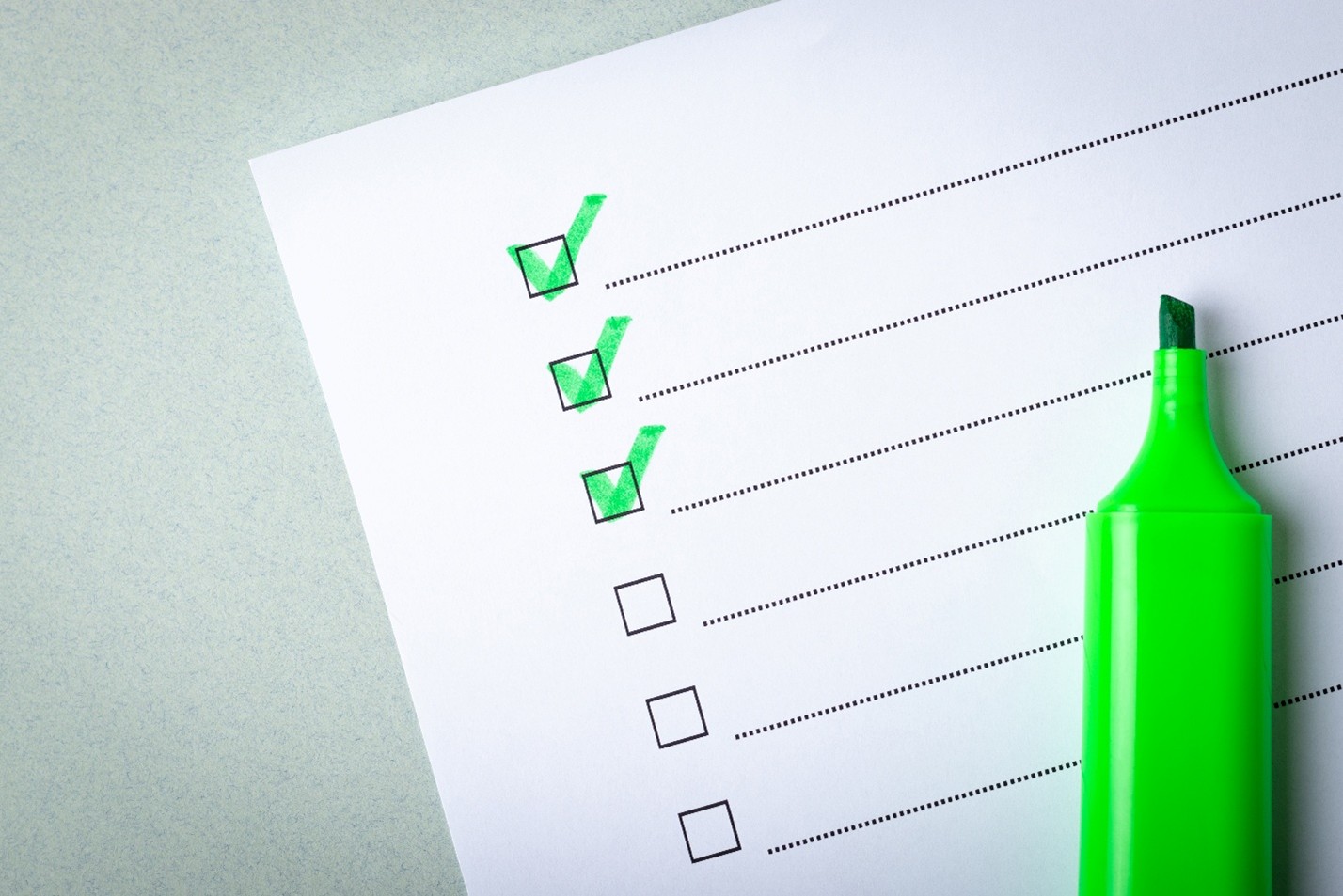
HOA Emergency Preparedness Checklist: Start with the Basics
A strong emergency plan doesn’t need to be complicated. It needs to be clear, accessible, and practiced.
1. Identify Your Most Likely Risks
In the Carolinas, that often includes:
- Severe storms and hurricanes
- Flooding
- Power outages
- Fire or structural damage
Focus on what’s most likely to affect your community.
2. Define Roles and Responsibilities
Who contacts service providers? Who sends updates to residents? Who coordinates with emergency services?
Write it down. In an emergency, no one wants to guess.
 3. Build a Reliable Communication Plan
Residents will want updates quickly. Decide ahead of time how you’ll share information:
- Email blasts
- Text alerts
- Community portals
- Posted notices in common areas
Keep messages short and clear. During a crisis, less is more.
4. Maintain an Updated Service Provider List
You’ll need trusted service providers ready to respond, such as:
- Restoration companies
- Electricians
- Plumbers
- Debris removal services
Make sure contact information is current and easy to access.
5. Review Insurance Coverage
Know what your policy covers (and doesn’t) and what it requires after an incident. This can prevent delays later.
If possible, keep physical copies of your policies in case a power outage limits online access.
6. Should Your Board Practice the Plan?
Yes. Your community doesn’t need a full drill every time. Even a short review during a board meeting helps keep the plan fresh and usable.
What Should HOA Boards Do During an Emergency?
During an emergency, your focus should be on safety, communication, and coordination.
In the moment:
- Confirm resident safety if possible
- Contact emergency services when needed
- Secure the area to prevent further damage
- Notify key service providers
Then communicate.
Residents don’t expect you to have all the answers right away. But they do expect to hear from you.
A simple message like, “We’re aware of the issue and working on next steps,” goes a long way.
HOA Disaster Recovery: What Should You Do After an Emergency?
After an emergency, boards should document damage, contact insurance providers, coordinate repairs, and keep residents informed.
Post-event priorities include:
- Documenting damage with photos and notes
- Contacting your insurance provider promptly
- Coordinating repairs and cleanup
- Keeping residents informed about timelines
You’ll also want to review what happened.
Ask yourself:
- What worked well?
- Where were the gaps?
- How can we do better next time?
These answers help strengthen your plan moving forward.
A Quick Story That Might Sound Familiar
One community had a solid service provider list but no clear communication plan. After a storm, repairs started quickly, but residents didn’t know what was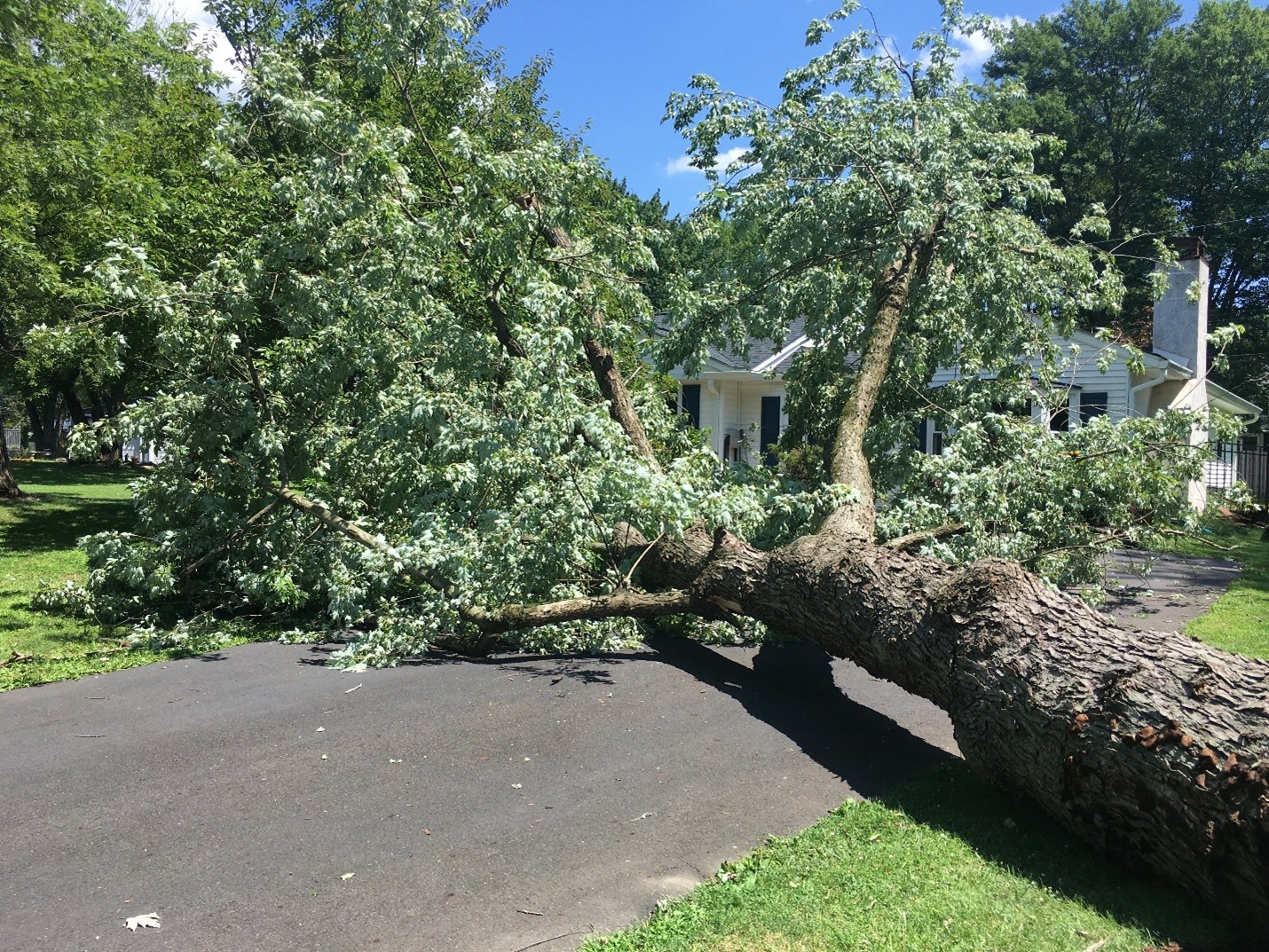 happening. Frustration grew, even though the board was doing the right things.
Another community had both. Same type of storm, similar damage. But residents received updates within the first hour. Expectations were clear. The recovery process felt organized.
The difference wasn’t resources. It was preparation.
Where Professional Support Fits In
You don’t have to manage all of this alone.
Experienced community managers can help boards:
- Develop and update emergency plans tailored to your community’s needs
- Coordinate service providers
- Streamline communication
That support can reduce stress and improve response time when it matters most.
Final Thoughts
Strong HOA emergency preparedness comes down to what you do before, during, and after an event.
A clear plan won’t stop the storm. But it will help you lead your community through it with confidence and care.
And when the next call comes in, you’ll be ready to answer it.
About Community Association Management Services
Founded in 1991, CAMS has grown to become North and South Carolina’s premier community management company. With experienced local managers in each of its regions, CAMS provides innovative solutions to the community associations it serves. To learn more, visit www.camsmgt.com/choose-cams.
.png)